


Most people think muscle is about looks.
Something you build to look good at the beach, fill out a T-shirt, or feel a bit more confident in photos.
I think that framing is incomplete. Muscle mass isn’t just an aesthetic upgrade.
It’s fundamental to being healthy.
Over the last 8 years of training consistently, I’ve become convinced of one thing:
Muscle is biological leverage.
Today, I want to show you why muscle mass quietly solves problems most people try to fix with supplements, diets, medications, or motivation hacks.
Let me explain.
Before we get started, let me make one thing clear: I’m not a doctor or a medical professional. Always consult your healthcare provider and do your own research. What I’m sharing here is based on my personal experience and the knowledge I’ve gathered over the years.
Here are the key points:
Metabolism
Correlation to Longevity
Hormonal Stability
Bone and Joint Protection
Cardiovascular Health
Energy Expenditure
Cognition Upgrade
I’ve experienced all of these benefits myself over the past few years, after almost 10 years of training, many early mistakes, and roughly 20 kg (~44 lb) of muscle gained.
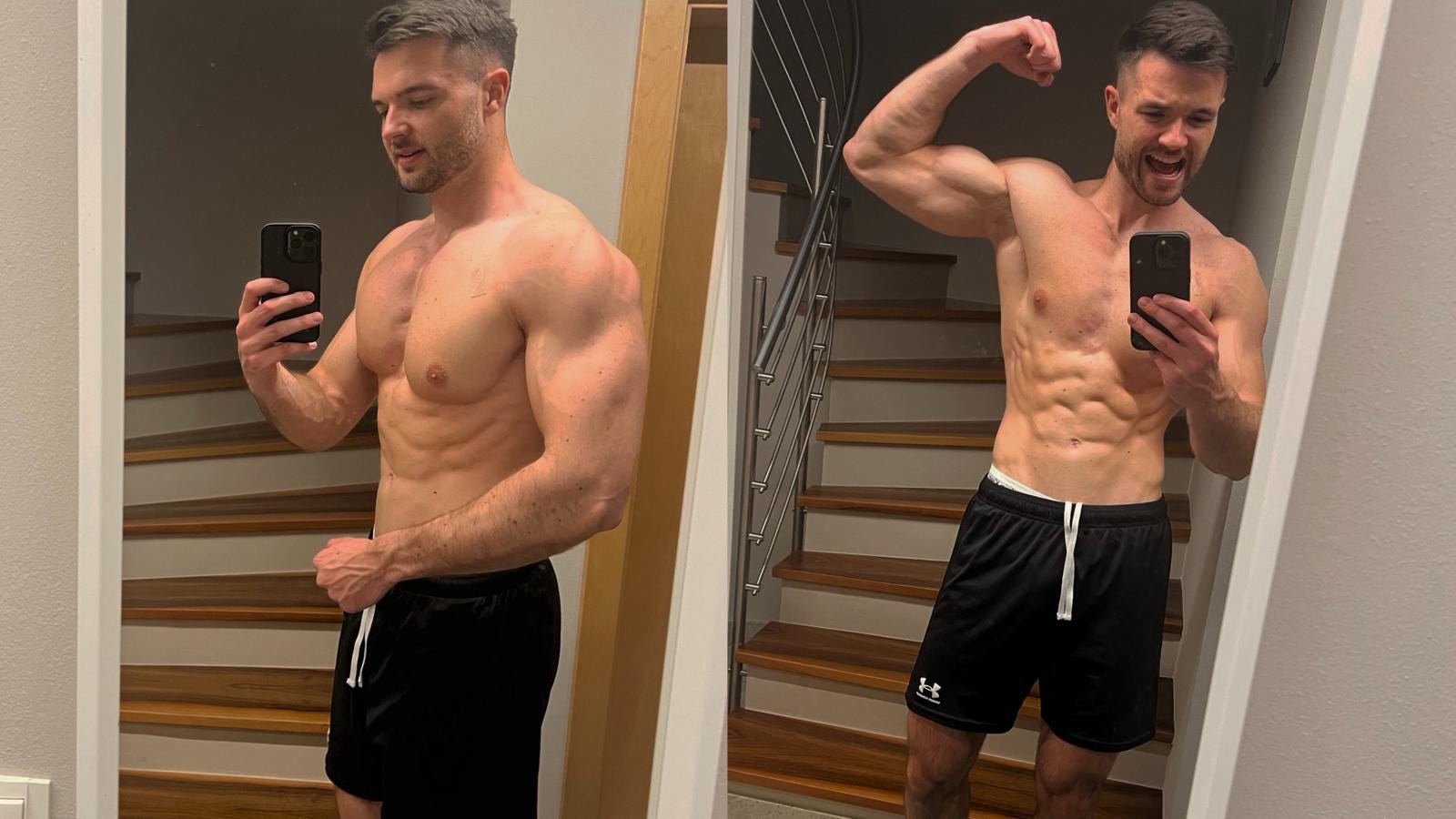
Let’s get into the details.
Metabolic health & glucose control
Your muscles are the primary place glucose goes after you eat.
Not your liver.
Not your fat tissue.
Your muscles.
More muscle means a larger sink for incoming energy. Think of it as a sponge.
When carbs hit your bloodstream, trained muscle pulls them in efficiently and stores them as glycogen instead of letting glucose linger and spike insulin.
That’s why, at the same diet, people with more muscle tend to have:
Lower fasting glucose
Lower HbA1c
Better insulin sensitivity
Fewer post-meal crashes
I like this analogy:
More muscle mass means a bigger battery.
If your battery is small, excess energy spills over and causes problems.
If your battery is large, it gets absorbed quietly.
That’s why muscle acts like a small insurance for when we eat too much food that spikes our blood sugar. It helps level those spikes out and makes them easier to handle.
Longevity & mortality
We’re obsessed with weight, BMI, and body fat percentages.
But when researchers look at who actually lives longer, something else stands out.
Strength.
Grip strength alone predicts all-cause mortality better than BMI. Low muscle mass and sarcopenia are among the strongest predictors of frailty, loss of independence, and early death.
This makes intuitive sense.
Life usually doesn’t kill you all at once. It chips away.
You fall.
You fracture.
You stop moving.
You lose independence.
Everything accelerates downhill.
Muscle slows that cascade.
More lean mass means:
Higher resilience to illness
Faster recovery from surgery
Lower risk of falls and fall-related injuries
Preserved independence decades longer
Joint Health & Protection
Some people actually avoid lifting because they’re afraid of “wear and tear.”
Ironically, the absence of muscle is what creates wear and tear.
Muscles are active stabilizers. They take load off passive structures like ligaments, cartilage, and discs. When muscles are weak, joints pay the price.
So strong muscles mean:
Better joint alignment
Lower shear forces
Improved shock absorption
This is why properly trained lifters often have fewer chronic pain issues than sedentary people.
Your knees don’t fail because you used them.
They fail because they had to do the job muscles should’ve done.
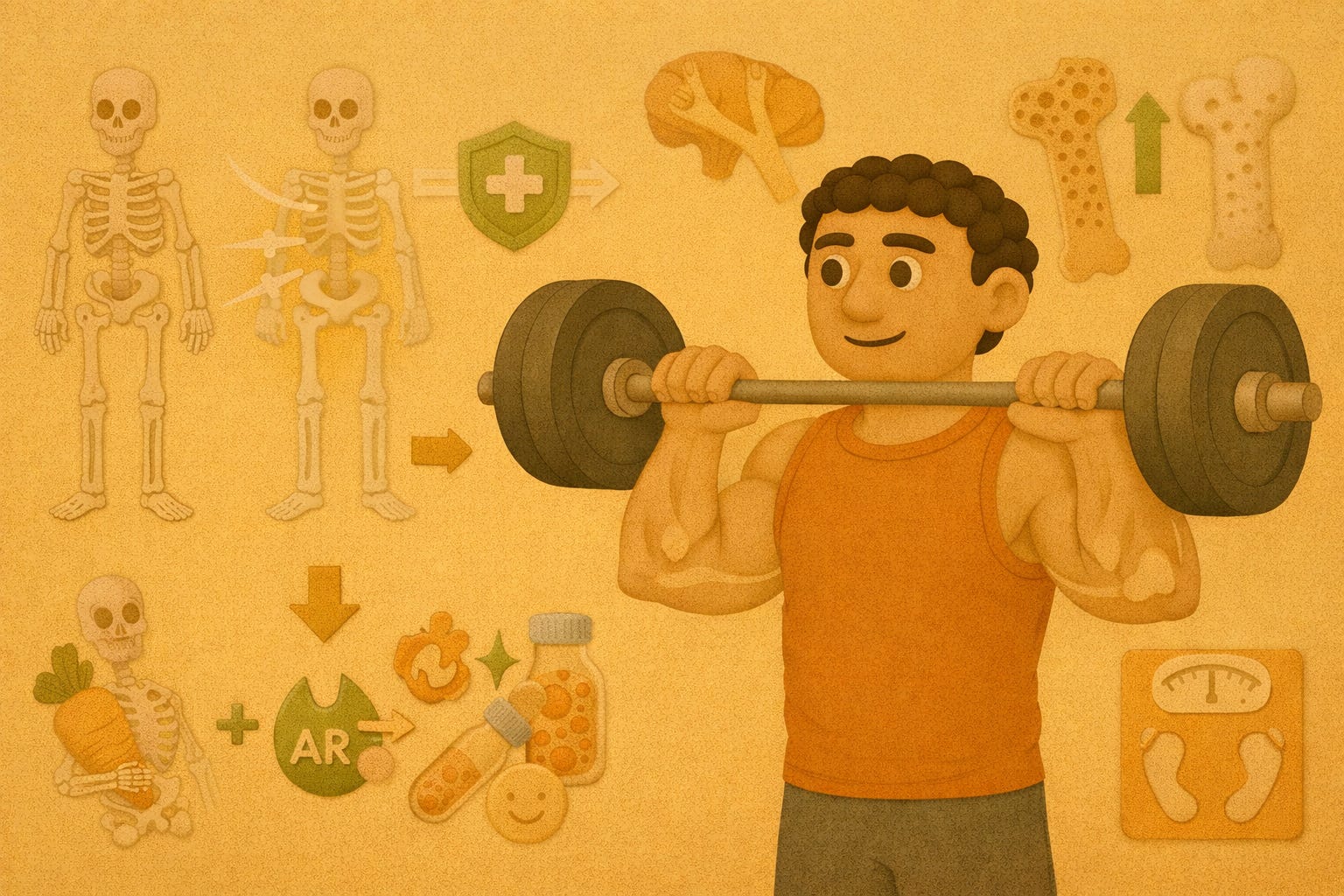
Bone Density & Skeletal Strength
Bones respond to force.
Muscle contractions pull on bone, signaling it to remodel and strengthen. This is how bone mineral density is built and preserved.
Without that signal, bones quietly weaken.
That’s why resistance training is one of the most effective interventions against osteoporosis and fractures, especially with aging or calorie deficits.
Muscle loss often precedes bone loss.
Protect the muscle → protect the skeleton.
Hormonal Environment
Resistance training improves androgen receptor sensitivity.
It enhances growth hormone pulses. It improves leptin and ghrelin signaling, making hunger regulation more stable over time.
Chronic cortisol tends to come down, because your system becomes better at handling stress.
This is subtle but powerful.
Cardiovascular Health Is Not Cardio-Only
Cardio matters. Obviously.
But muscle improves cardiovascular health in less obvious ways.
Improved blood pressure regulation
Better endothelial function
Improved lipid partitioning (less visceral fat storage)
Higher VO₂ max when combined with cardio
When combined with cardio, strength training raises your ceiling. Better running economy. More power per step. Lower injury risk.
Essentially, s strong body makes the heart’s job easier.
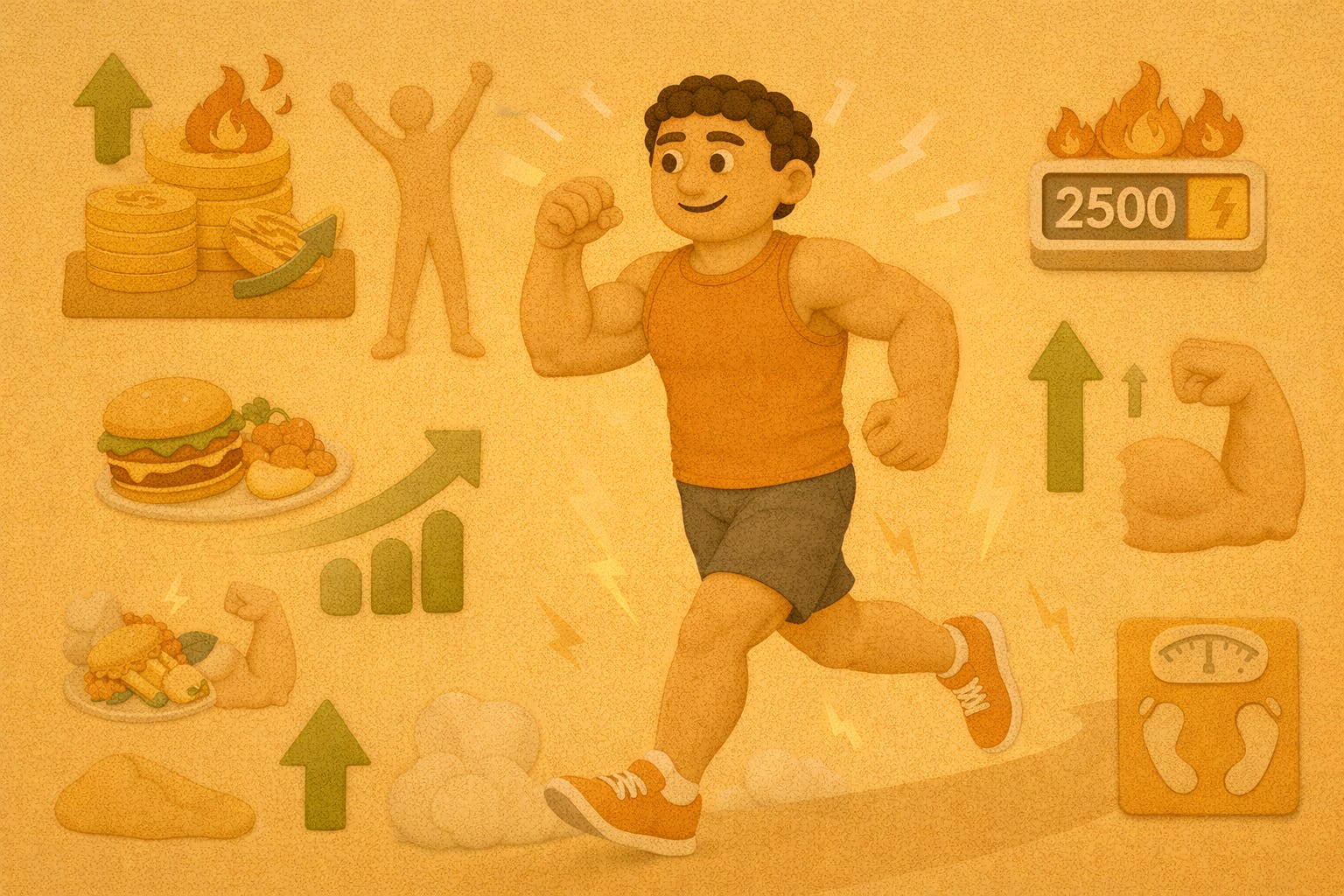
Increased Energy Expenditure
This is where muscle really shines.
More muscle mass meaningfully increases your body’s total energy throughput:
Higher resting energy expenditure
Higher cost of movement (every step, rep, and task burns more)
Higher recovery energy demand after training
The result:
You can eat more and stay lean, or
Lose fat on higher calories than someone with less muscle
Just as important: muscle increases activity tolerance.
You move more without trying. You fidget more. You train harder. You recover faster.
Daily energy burn goes up without conscious effort.
This is why muscular people often:
Maintain leanness with ease
Lose fat with less suffering
“Get away with eating more”
More muscle = higher baseline output.
Higher output = easier fat loss, easier maintenance, more dietary flexibility.
Muscle Reduces Chronic Inflammation
Contracting muscle releases myokines with anti-inflammatory effects.
This lowers chronic low-grade inflammation, improves immune surveillance, and speeds up recovery from illness.
You get sick less often.
And when you do, you could recover faster.
Muscle Makes Daily Life Trivially Easier
This part is underrated.
Carrying groceries becomes a non-event.
Long days don’t drain you as much.
Posture improves without effort.
Back pain decreases.
Life tasks take up less of your available capacity.
That leaves more bandwidth for things that actually matter.
Muscle Improves Sleep
Resistance training improves sleep depth, sleep onset, and slow-wave sleep.
Muscle also acts as an evening glucose sink, reducing nighttime awakenings caused by blood sugar swings.
Better sleep feeds back into everything else.
The Bottom Line
Most people chase muscle for the least important reason.
Muscle is not just about aesthetics. It’s about health.
If you care about long-term health, performance, and resilience, you should do some form of resistance training.
It’s one of the highest-leverage investments you can make in your body.
Build muscle early.
Maintain it forever.
Everything else gets easier downstream.
That’s all for this week.
Thanks for reading :)
— Tobi
It is not just words it is FACT, stay fit. Fitness is a lifestyle and for some of us it is part of our profession. As one who has been injured on the job a lot I can safely say the longer the train stop the harder it is to get going again. Never stop moving. When I was told I could lift no more than 5# for a minimum of 3 months I bought two 5# kettlebells. You can always do something.
I agree that grip strength is important. Judo will help out with that. Not into martial arts? A simple farmer's walk will help increase your grip strength over time. I'm not a very strong person, so I do feel it a lot just after two minutes with 35lb dumbbells in each hand.